Free Shipping on orders over R3,999. T's&C's Apply.

How to Clean Food Processing Equipment Without Harsh Chemicals Using Steam Cleaners
The food processing industry faces a persistent challenge: maintaining rigorous hygiene standards while minimizing environmental impact and operational costs. Traditional cleaning methods, whether chemical-based solutions or high pressure washing systems often involve significant drawbacks, from health risks to excessive water consumption to production downtime. Industrial steam cleaners offer a revolutionary alternative that addresses these concerns while delivering superior results. This comprehensive guide explores how Tecnovaps steam cleaning technology can transform your food processing facility's cleaning protocols, improve safety compliance, and enhance operational efficiency.
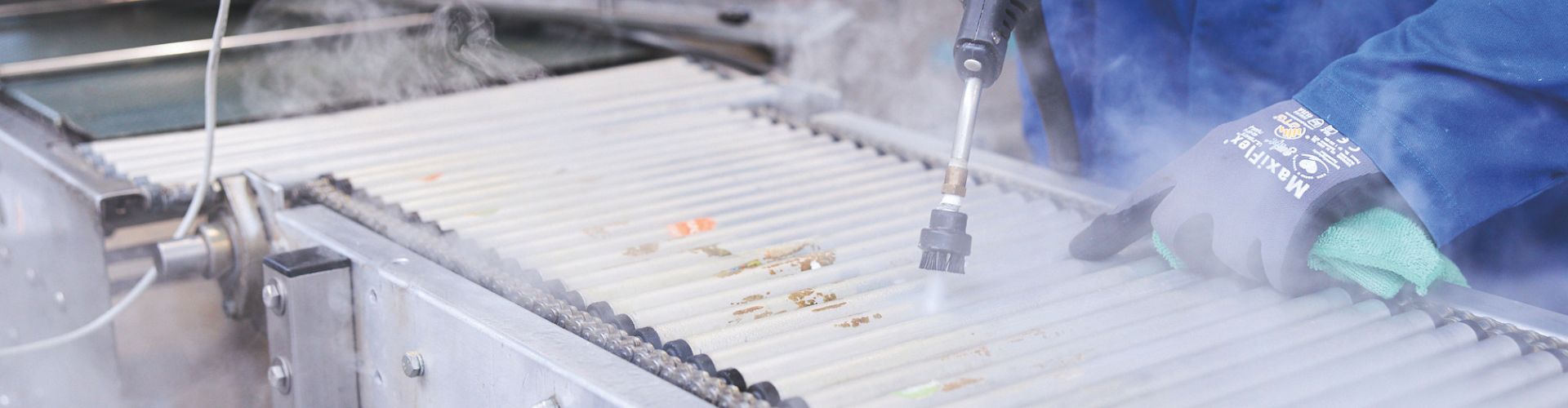
Effectiveness Against Food Processing Contaminants
Grease and Oil Removal
Grease is a primary concern in food processing environments, particularly in bakeries and meat processing facilities. Steam cleaners excel at grease removal because:
- - High temperatures reduce oil viscosity, allowing it to flow away from surfaces more easily
- - The kinetic energy of steam particles mechanically displaces greasy layers
- - Saturated steam carries exceptional latent heat, ensuring sustained thermal energy even as it deposits on surfaces
- - No chemical emulsifiers are needed,the grease simply liquefies and drains
Professional operators report that steam cleaning can remove built-up grease layers in a fraction of the time required by chemical methods, often without pre-treatment or soaking.
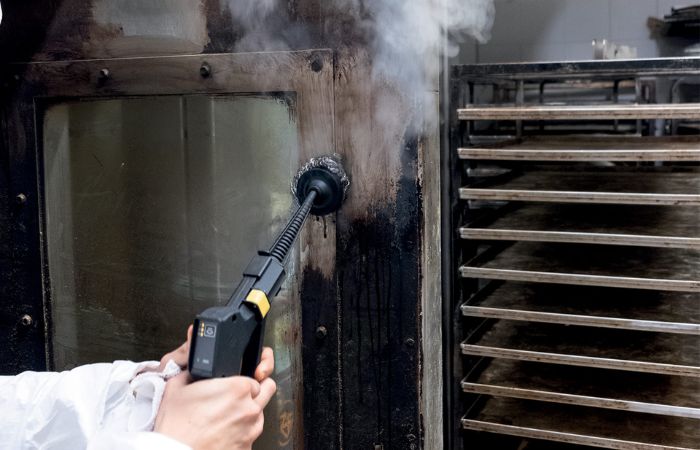
Bacterial and Pathogenic Elimination
Food safety regulations mandate pathogen elimination, especially for equipment that contacts ready-to-eat products. Steam cleaning provides validated microbial control:
- - Thermal inactivation: Bacteria, including Salmonella, E. coli, and Listeria, are destroyed at temperatures exceeding 70°C for sustained periods
- - Spore destruction: High-temperature steam (160°C+) can inactivate bacterial spores, which are far more heat-resistant than vegetative cells
- - Virus elimination: Enveloped viruses are highly susceptible to steam heat; even non-enveloped viruses are typically rendered inactive
- - No chemical residue: Unlike chemical sanitizers, steam leaves no surface contamination that could migrate to food products
Research supports steam cleaning's effectiveness: studies show that properly applied steam can achieve log-10 or greater reductions in target microorganisms, meeting or exceeding the safety standards established by food regulatory bodies.
Food Residue and Protein Deposits
Protein based residues, common in meat processing and dairy facillities can be particulary stubborn. Steam cleaning handles these effectively because:
- - Protein denaturation occurs at temperatures above 60°C, causing structural breakdown
- - The combination of heat and moisture penetrates protein networks more thoroughly than mechanical scrubbing alone
- - Complex deposits that bond to equipment surfaces soften and release under sustained steam exposure
- - Hard, calcified deposits soften sufficiently for mechanical removal without damaging underlying surface
Steam Cleaning vs Alternative Methods
Comparison with Chemical Cleaning
Chemical Cleaning Approach:
- - Relies on caustic, acidic or enzymatic compounds
- - Requires contact time for chemical reactions to occur
- - Often demands neutralization and rinsing steps
- - Leaves chemical residues that must be thoroughly rinsed away
- - Poses occupational risks to cleaning staff
- - Generates hazardous waste requiring special disposal
Steam Cleaning Advantages:
- - Eliminates need for harsh chemicals entirely
- - Requires no contact time or chemical reactoion phases
- - No neutralization or extended rinsing needed
- - Leaves zero chemical residue on food contact surfaces
- - Safer for peronnel - primarily occupational concerns relate to heat handling, not toxicity
Comparison with Pressure Washing:
- - May force contaminants deeper into crevices if pressure and angle are incorrect
- - Can damage sensitive equipment surfaces or protective coatings
- - Creates wastewater management challenges in food processing facillities
- - Leaves surfaces wet, extending drying time and potentially affecting production schedules
Steam Cleaning Advantages:
- - Minimal water consumption
- - Simultaneously cleans and sanitizes in one process step
- - Dry steam applications evaporate on contact, leaving surfaces nearly dry
- - Reduced drying times translates to quicker equipment restart
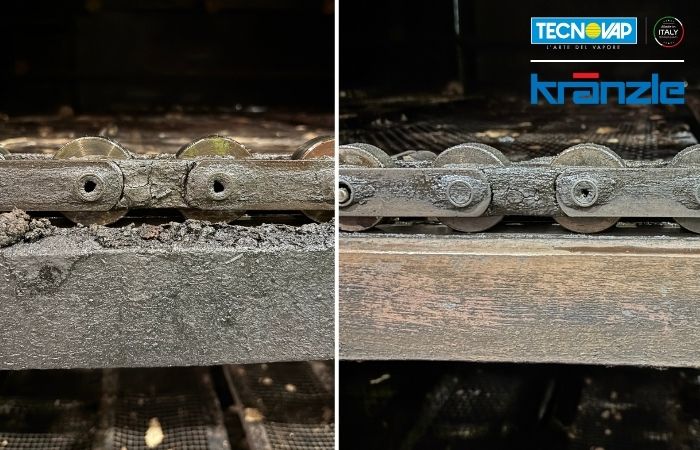
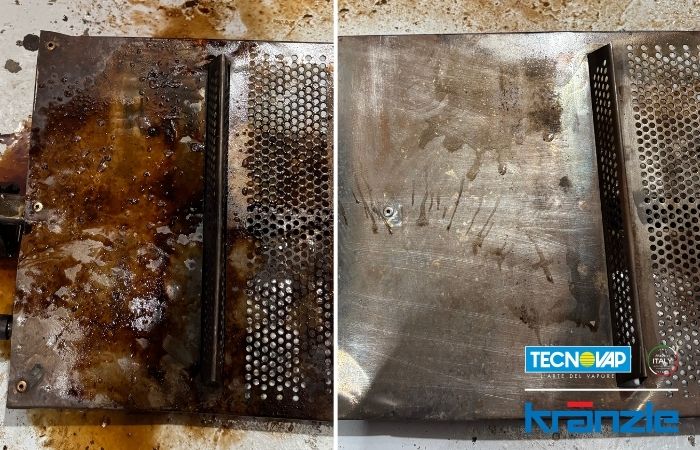
Key Advantages of Industrial Steam Cleaning
1. Reduced Water Consumption
In water-stressed regions and environmentally conscious facilities, steam cleaning's water efficiency is transformative:
- - Industrial steam cleaners typically consume 2-5 liters of water per minute, compared to 50-100+ liters for pressure washers
- - Dry steam applications minimize runoff and wastewater generation
- - Lower water consumption reduces treatment and disposal costs
For facilities processing thousands of kilograms of product daily, the cumulative water savings over a year are substantial,both financially and environmentally.
2. Improved Hygiene and Food Safety Compliance
Steam cleaning directly supports regulatory compliance:
- - HACCP systems: Steam cleaning addresses critical control points for pathogenic elimination
- - FDA standards: Validated thermal inactivation protocols meet FDA food safety requirements
- - FSMA compliance: Facilities implementing steam cleaning can document standardized sanitation procedures
- - ISO 22000 alignment: Steam cleaning's validated effectiveness supports hazard analysis frameworks
- - Reduced recall risk: Comprehensive microbial elimination reduces contamination-related product recall incidents
Documentation of steam cleaning parameters (temperature, duration, coverage) provides audit-ready evidence of sanitation effectiveness.
3. Reduced Production Downtime
Equipment availability directly impacts facility profitability:
- - Faster cleaning cycles: Steam cleaning typically completes in 30-50% of the time required for chemical cleaning with multiple rinse steps
- - Quick drying: Dry steam leaves surfaces nearly moisture-free, allowing equipment restart within minutes rather than hours
- - Single-step process: Combining cleaning and disinfection eliminates sequential procedural steps
- - Predictable timing: Standardized steam parameters ensure consistent cycle durations, enabling better production scheduling
A bakery that can reduce equipment cleaning time from 4 hours to 2 hours realizes immediate gains in available production time, directly improving output and revenue.
4. Occupational Safety and Worker Health
Eliminating harsh chemicals from cleaning protocols provides significant health and safety benefits:
- - Reduced chemical exposure: No caustic, acidic, or volatile organic compounds means fewer respiratory, skin, and eye irritation incidents
- - Lower hazard classification: Steam cleaning requires no special hazardous material handling certifications or procedures for most jurisdictions
- - Better compliance with occupational standards: Fewer chemical safety protocols reduce documentation and training burdens
- - Improved worker morale: Cleaning staff often prefer steam cleaning, as physical demands are lower and chemical exposure is eliminated
Facilities with significant worker health incidents related to chemical exposure often see substantial reductions after transitioning to steam cleaning.
Practical Applications in Food Processing Facillities
Bakeries and Pastry Production
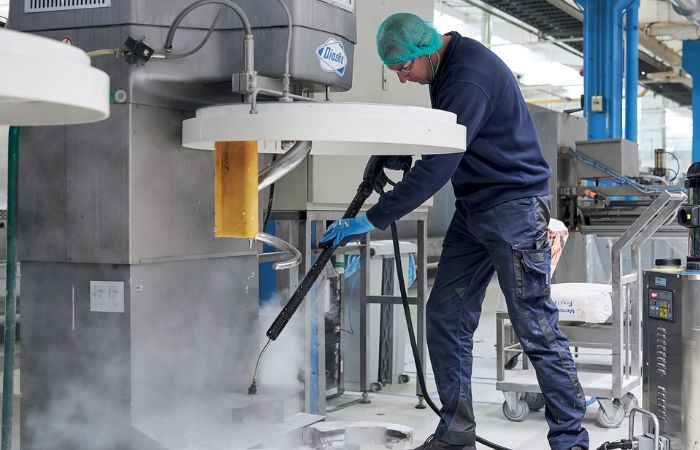
Bakeries present unique challenges: complex dough residues, flour dust, and lipid deposits combine to create stubborn buildup.
Equipment ideal for steam cleaning:
- - Mixing bowls and spiral mixers
- - Conveyor belts and transfer equipment
- - Ovens and proofers (exterior and accessible interior surfaces)
- - Depositors and shaping machines
- - Cooling and packaging areas
Bakery specific benefits:
- - Removes yeast and starter culture residues that could cause cross-contamination
- - Eliminates flour dust and starch deposits from hard-to-reach areas
- - Cleans complex equipment geometries without disassembly
- - Reduces allergen risks by thoroughly decontaminating equipment between product lines
A typical bakery's mixing and conveying equipment can be cleaned with steam in 1-2 hours, compared to 4-6 hours using chemical methods, allowing same-day cleaning between production shifts.
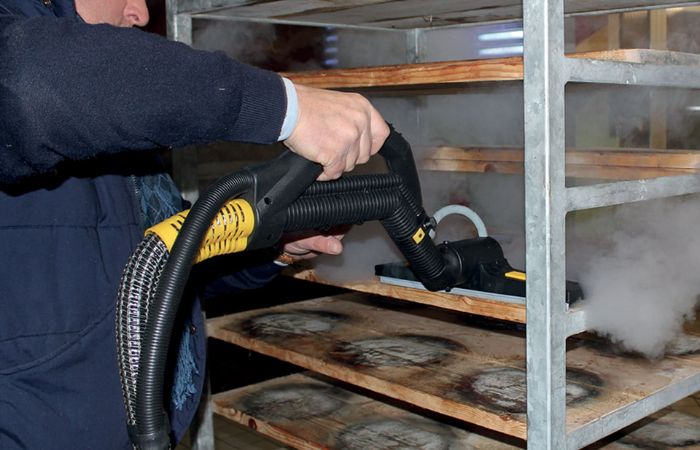
Meat and Poultry Processing
Meat processing environments demand rigorous hygiene due to pathogenic contamination risks. Steam cleaning is particularly valuable here:
Equipment benefiting from steam cleaning:
- - Grinders and comminution equipment
- - Saws and cutting tools
- - Conveyor systems and transfer equipment
- - Packaging machinery
- - Coolers and storage areas
Meat processing advantages:
- - Eliminates protein-based biofilms that harbor Listeria and other pathogens
- - Achieves pathogenic inactivation through thermal means, eliminating chemical residue concerns
- - Cleans intricate equipment designs (saws, augers, grinding heads) thoroughly
- - Reduces cross-contamination risks between product types
Regulatory agencies increasingly recognize steam cleaning's effectiveness for pathogen elimination in meat processing environments, with multiple published studies validating its use in HACCP programs.
Beverage Production Plants
Beverage facilities,from juice production to brewing and bottling face unique cleaning demands: sugar residues, mineral deposits, and microbial contamination.
Equipment suited to steam cleaning:
- - Production vessels and tanks
- - Heat exchangers and cooling systems
- - Conveyor and capping systems
- - Bottling and filling lines
- - Carbonation and processing equipment
Beverage-specific advantages:
- - Removes sugar and syrup deposits that become sticky and difficult when dried
- - Cleans heat exchanger tubes without chemical decalcification products
- - Eliminates yeast and bacterial biofilms in brewing systems
- - Reduces mineral deposits in hard-water environments
- - Maintains equipment finish and labeling visibility
Beverage processors report that steam cleaning reduces equipment-related downtime and improves consistency of product sanitation across production lines.
Implementing Steam Cleaning in Your Facillity
Assessing Your Cleaning Needs
Before implementing steam cleaning, evaluate:
- Equipment inventory: Identify which equipment requires cleaning and how frequently
- Current contamination challenges: Document specific residue types and cleaning issues
- Production schedule: Determine optimal cleaning windows and required cycle times
- Regulatory requirements: Review applicable food safety standards and documentation expectations
- Facility infrastructure: Assess water supply, electrical capacity, and drainage capabilities
Selecting Appropriate Equipment
Industrial steam cleaners vary significantly in capacity and capability:
- - Pressure/temperature range: Food processing typically requires 150-200°C at controlled pressure.
- - Dry steam capability: Beneficial for quick drying and reduced water handling
- - Mobility: Mobile units suit facilities with distributed equipment; fixed systems serve central processing areas
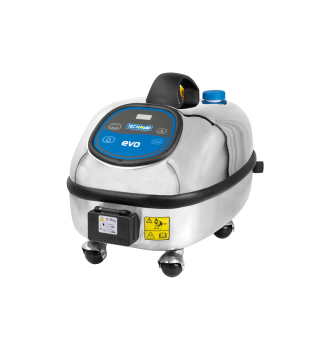
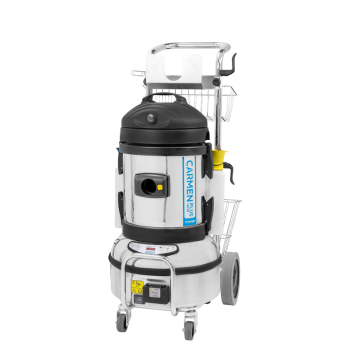
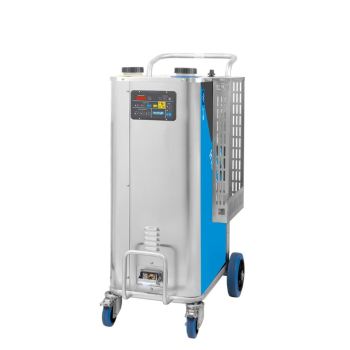
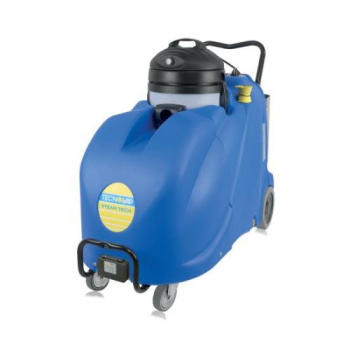
Professional steam cleaner manufacturers, including Tecnovap, offer equipment specifically engineered for food processing applications with certifications meeting hygiene and safety standards.
The Future of Food Processing Sanitation
Industrial steam cleaning represents a paradigm shift in food processing sanitation, addressing longstanding challenges with chemical safety, water efficiency, and operational cost. By harnessing high-temperature steam's powerful antimicrobial and decontamination properties, food processing facilities can achieve superior hygiene while reducing their environmental footprint and operational expenses.
Whether you operate a bakery, meat processing facility, beverage plant, or commercial kitchen, steam cleaning offers a proven path toward safer products, higher compliance standards, and more efficient operations. The technology is mature, the effectiveness is documented, and the benefits span financial, safety, and environmental dimensions.
As food safety regulations become increasingly stringent and facilities seek sustainable sanitation solutions, industrial steam cleaning stands as a validation-backed method that meets rigorous standards while delivering measurable operational improvements.
The transition to steam-based sanitation is not merely an operational adjustment,it's a strategic decision supporting food safety, worker health, environmental responsibility, and long-term facility sustainability.
Ready to Switch Over Your Cleaning Operations?